Seaspiracy: The Hidden Truths of the Fishing Industry
The documentary "Seaspiracy", available on Netflix, immediately made waves upon its release in 2021. With striking imagery and a candid narrative, Ali Tabrizi shines a light on the devastation caused by the fishing industry to our oceans: overfishing, the destruction of marine ecosystems, plastic pollution, and the (more or less positive) role of NGOs in this dynamic.
While this documentary raises crucial issues and its message is relevant, it is always essential to verify and trace information back to its sources. Although some information deserves nuance, this in no way discredits the message addressed through this documentary, nor the urgency of the subject, but rather invites deeper reflection. Checking for yourself does not mean you are doubting; it is discernment to ensure you do not blindly accept what is presented to you.
The uncomfortable truths of the documentary Seaspiracy
The release of Seaspiracy drew attention to major issues that are often ignored or hidden from the general public. The documentary specifically denounces overfishing, a threat looming over marine biodiversity. Certain species, such as tuna or dolphins, are currently endangered due to intensive and all-too-often illegal fishing practices. This excessive fishing leads to the depletion of stocks and the destruction of marine ecosystems, particularly coral reefs and the ocean floor. The documentary also highlights illegal fishing, a scourge that further aggravates the industry's impact on biodiversity.
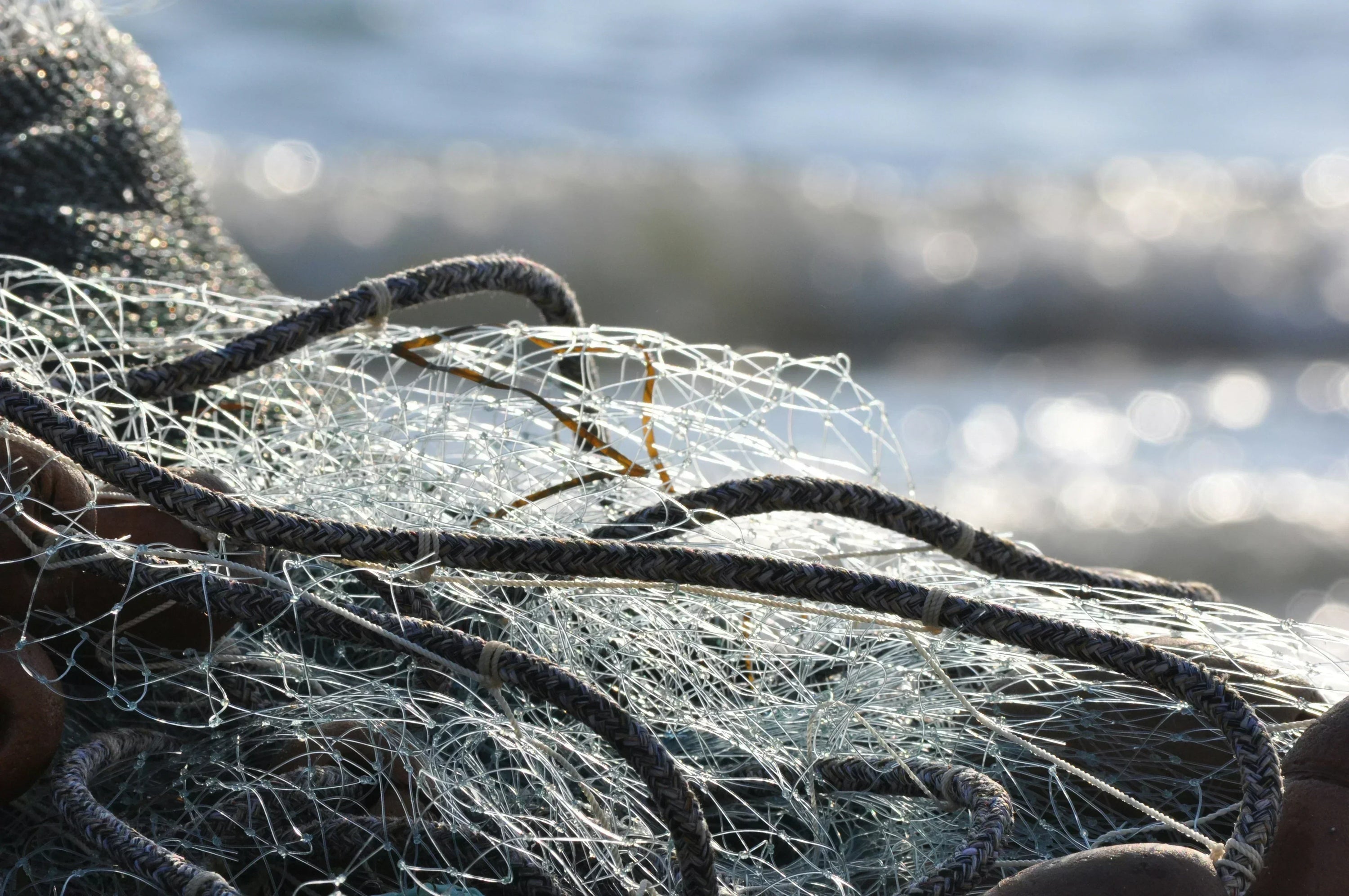
Another central point of the documentary is plastic pollution, which severely affects the oceans. Every year, millions of tons of plastic end up in the sea, threatening marine fauna and degrading ecosystems. Contrary to the common belief that plastic waste comes mainly from consumers (e.g., plastic straws), the documentary emphasizes the major role of abandoned fishing nets, which constitute a large portion of this pollution and kill numerous marine species every year.
Seaspiracy also criticizes certain fishing industry practices, such as the use of bottom trawling, a destructive technique that scrapes the ocean floor and wipes out entire habitats. The documentary also points to the problem of "bycatch"—those accidental captures of dolphins, sharks, and turtles, often discarded dead back into the sea. The massive exploitation of sharks for their fins, which severely disrupts the balance of the oceans, is also widely mentioned.
Finally, the documentary questions the reliability of certain labels supposedly guaranteeing sustainable fishing, such as "Dolphin Safe" or the MSC (Marine Stewardship Council). It highlights the ambiguities in the role of environmental NGOs which, according to the documentary, do not always act with the transparency expected regarding the true challenges of industrial fishing.
Once again, it is important not to generalize: some associations do not have hidden failings that go against the values they promote! But unfortunately, we cannot turn a blind eye to organizations like those cited above: their influence is far too great to allow any lack of sincerity between their stated goals and their actual actions.
Gray areas and subtle criticisms
Although Seaspiracy confronts us with essential truths, it is useful to keep in mind that some information contained in the documentary can be nuanced. Certain data are no longer current or have been re-examined since their release. For example, Ali Tabrizi states "there will be no fish left in the oceans by 2048," a piece of information that is debatable due to its very source: a 2006 study that retracted its own hypothesis in 2009. However, while some claims are subject to debate, they absolutely do not call into question the very essence of the message conveyed by the documentary: the fishing industry, in its current form, has a devastating impact on our oceans.
The documentary also sheds light on the difficult, or even appalling, working conditions of fishermen in certain parts of the world, particularly in Southeast Asia. Cases of forced labor and modern slavery have been documented. This reality, often suppressed, brings to light both the environmental and human dimensions of the crisis the fishing industry is going through.
Rethinking the future: solutions at the heart of the debate
The documentary also leaves us on a note of hope by encouraging us to adopt more responsible practices. It specifically encourages reducing fish consumption, or even transitioning to veganism, to limit the pressure exerted on the oceans.
However, it is also possible to opt for more sustainable consumption by favoring products from responsible fishing: if you have watched the documentary, you are aware that "responsible fishing" can mean everything and nothing.
Initiatives such as the MSC label, while criticized, remain an attempt to regulate industry practices and promote more balanced management of marine resources. But if we wanted this to work 100%, absolutely all actors in the system would need to be on the same page: both the NGOs and their fishermen!
The documentary also underscores the importance of innovating to reduce the pollution generated by industrial fishing, particularly by tackling the problem of abandoned fishing nets and limiting the use of plastics in the maritime sector.
Seaspiracy: a call to action
Seaspiracy is an important documentary that highlights issues essential to the preservation of our oceans. Even if some information deserves to be taken with perspective, the central message of the documentary remains very clear: we must rethink our way of consuming and support more sustainable practices, if indeed they exist. The urgency lies in the need to become aware of the critical state of our oceans and to take concrete measures to protect them.